
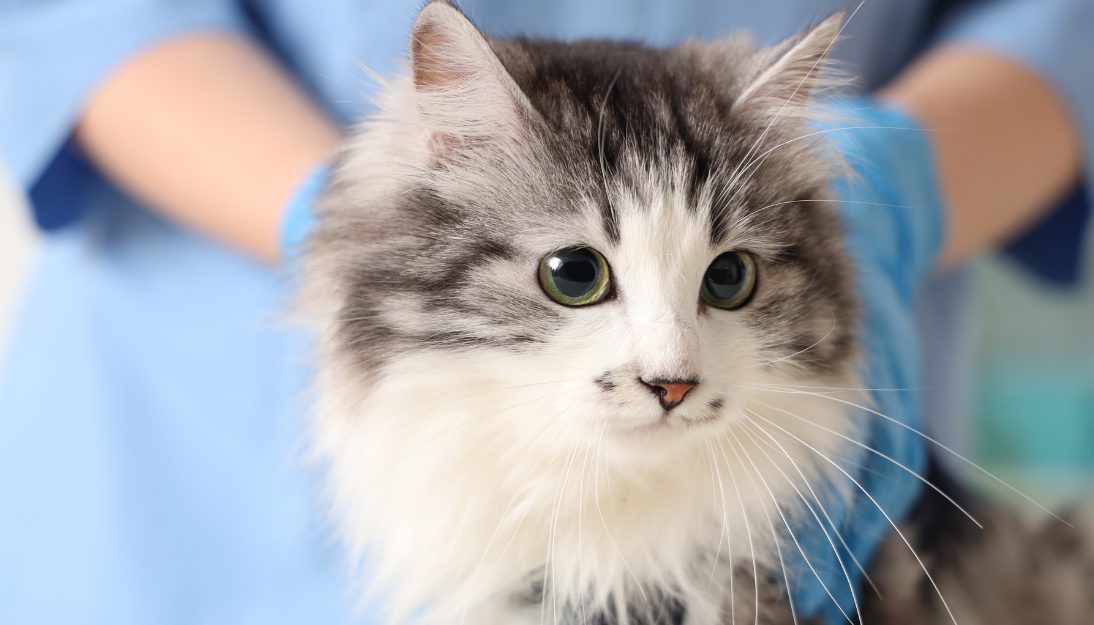
Here’s what typically happens when you arrive at a veterinary ER in NYC.
Step 1: Triage Comes First
Just like in a human ER, veterinary emergency hospitals use triage to prioritize care based on severity. A trained veterinary professional will quickly assess:
- Breathing and airway function
- Heart rate and circulation
- Level of consciousness
- Visible trauma or bleeding
- Pain level
Pets with life-threatening conditions are treated immediately.
Step 2: Check-In and Medical History
Once your pet’s condition is assessed, the team will gather essential information:
- Current symptoms and when they started
- Recent injuries or possible toxin exposure
- Current medications or medical conditions
- Vaccination and medical history
Tip: Having photos of your pet’s medical records on your phone speeds up this process.
Step 3: Physical Examination and Diagnostics
A veterinarian will perform a comprehensive exam and recommend diagnostic tests as needed:
- Bloodwork (complete blood count, chemistry panel)
- X-rays or ultrasound
- Urinalysis
- ECG or blood pressure monitoring
- Toxin screening if needed
These tests identify the cause of your pet’s emergency and guide treatment decisions.
Step 4: Treatment and Stabilization
Depending on your pet’s condition, treatment may begin immediately:
- Oxygen therapy for breathing difficulties
- IV fluids for dehydration or shock
- Pain management and sedation
- Wound care and bandaging
- Emergency surgery if needed
- Hospitalization for close monitoring
Stabilization often starts before all test results are available.
Step 5: Communication and Treatment Plans
You’ll receive updates from the veterinary team, including:
- Diagnosis or working diagnosis
- Recommended treatment options
- Cost estimates and consent forms
Emergency care often involves rapid decisions. The team will explain options clearly and answer your questions.
Step 6: Discharge or Continued Care
Once your pet is stable, they may:
- Go home with medications and care instructions
- Be transferred to your primary vet for follow-up
- Remain hospitalized for continued treatment
You’ll receive detailed discharge instructions and guidance on what to monitor at home.
What to Bring to the Veterinary ER
- Medical records (or photos on your phone)
- Current medications your pet is taking
- List of symptoms with timeline
- Pet insurance details or payment method
NYC Pet Parent Tips for a Smoother ER Visit
- Call ahead if possible. Advance notice allows the team to prepare.
- Stay calm. Pets pick up on stress, and calm owners help calm patients.
- Ask questions, the team wants you to understand your pet’s care.
Why Choose URvet Care for Emergency Services
- 24/7 emergency veterinary care for dogs and cats
- Experienced emergency veterinarians and trained staff
- Advanced diagnostic equipment (X-ray, ultrasound, in-house lab)
- Transparent communication throughout treatment
- Convenient NYC locations across all boroughs
Emergency visits are stressful, but you’re not alone. At URvet Care, we guide NYC pet parents through every step of the emergency process with transparency, compassion, and expert care.
Need emergency veterinary care? URvet Care is available 24/7 to help your pet when every second counts.