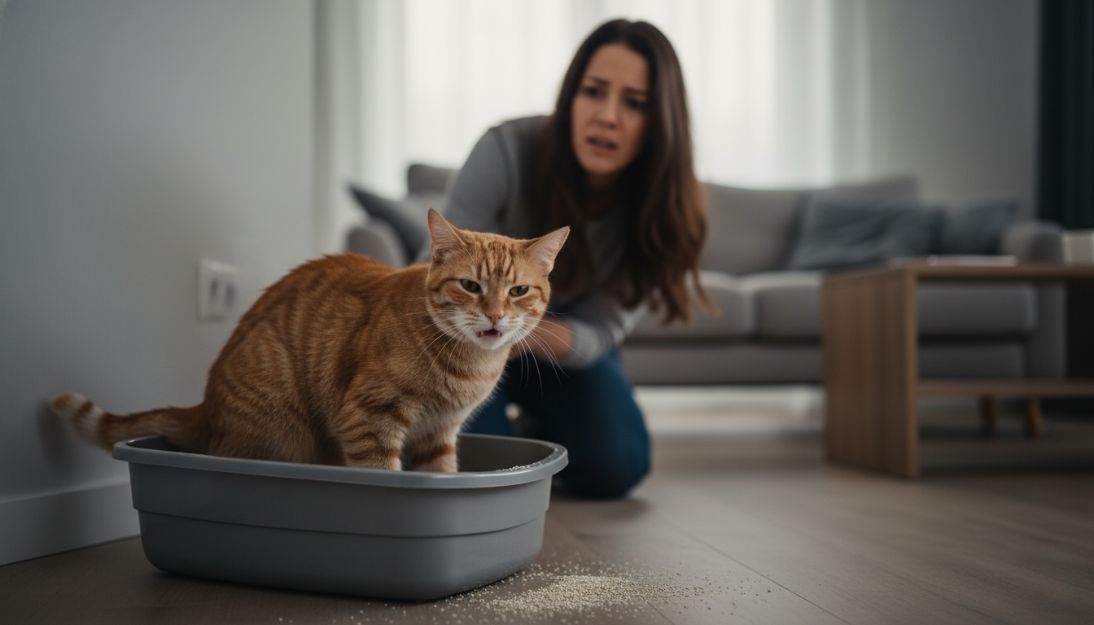
If your cat is being rushed in for urinary unblocking, one of the first questions many pet parents ask is simple and very human: “Will this hurt my cat?”
The short answer is no. Cats are not conscious or in pain during urinary catheterization. But there’s more nuance worth understanding, especially if your cat is male and experiencing a urinary blockage.
What Is Urinary Catheterization in Cats?
Urinary catheterization, also called urinary unblocking, is an emergency procedure most commonly performed in male cats who cannot urinate due to a blockage in the urethra.
This blockage may be caused by crystals or stones, inflammatory mucus plugs, severe urethral spasms, or stress-related urinary disease known as FLUTD (feline lower urinary tract disease).
If left untreated, a blockage can become life-threatening within 24 to 48 hours, making immediate care critical.
Is the Procedure Itself Painful?
No. Cats are sedated or placed under general anesthesia before catheterization begins.
This means your cat does not feel the catheter being placed, is not aware of the procedure, and has pain, anxiety, and stress actively controlled. Veterinarians do not perform urinary unblocking on fully conscious cats. Doing so would be unsafe, traumatic, and inhumane.
Sedation also allows the veterinarian to gently relieve the blockage without causing additional trauma, minimize urethral injury, and place the catheter accurately and safely.
What About Pain Before Treatment?
While the procedure itself is not painful, it’s important to acknowledge that urinary blockage is extremely uncomfortable and distressing before treatment.
Cats may experience intense pressure in the bladder, cramping and spasms, repeated unsuccessful attempts to urinate, and significant anxiety. This is why early intervention matters so much. The sooner the blockage is relieved, the faster your cat gets relief.
What Happens After Catheterization?
After unblocking, most cats remain hospitalized for monitoring, keep the catheter in place temporarily (usually 24 to 48 hours), and receive IV fluids, pain relief, and anti-spasm medications.
Some cats may feel mild discomfort or soreness once they wake up, similar to how humans feel after a medical procedure, but this is typically well-controlled with medication.
Your veterinary team will closely watch for normal urine flow returning, reduction in swelling or inflammation, correction of electrolyte imbalances, and prevention of re-blockage.
Why Sedation and Monitoring Are So Important
Urinary unblocking isn’t just about placing a catheter. It’s about protecting the urethra, kidneys, heart, and overall stability of your cat.
Proper sedation and hospital monitoring reduce pain and fear, prevent complications like urethral tearing or re-obstruction, lower the risk of repeat blockage, and improve long-term outcomes.
This is why emergency hospitals often recommend observation for 24 to 48 hours even after the catheter is removed. Cats can re-block, and close monitoring catches problems early.
What Happens If My Cat Re-Blocks?
Re-blockage can occur in some cats, especially within the first few days after catheter removal. This is why follow-up care and monitoring are essential.
Signs of re-blockage include straining to urinate again, producing little to no urine, vocalizing in the litter box, and lethargy or decreased appetite. If you notice these signs, return to your veterinarian immediately.
Long-term management may include prescription urinary diets, increased water intake, stress reduction, and in some cases, surgical options for cats with recurrent blockages.
Long-Term Prevention After Unblocking
After a urinary blockage, your cat will need ongoing care to reduce the risk of recurrence. This includes feeding a veterinary-prescribed urinary diet, ensuring constant access to fresh water, using multiple clean litter boxes, reducing environmental stress, and scheduling regular veterinary check-ups.
Some cats benefit from wet food diets to increase water intake, water fountains to encourage drinking, and calm home environments with minimal changes.
Why Choose URvet Care for Urinary Blockages
URvet Care provides 24/7 emergency treatment for blocked cats with experienced feline emergency specialists, immediate catheterization and stabilization, comprehensive monitoring during hospitalization, pain management protocols, and post-discharge support and guidance.
If your male cat is straining to urinate, vocalizing in the litter box, or producing little to no urine, don’t wait. These are signs of a true emergency, and early treatment means faster relief and a smoother recovery.
Your cat showing signs of a urinary blockage? Call URvet Care immediately for emergency unblocking and stabilization.