Understanding which injuries demand emergency surgery helps dog parents act quickly and decisively when every moment counts.
Injuries that Most Likely to Require Emergency Surgery
Emergency surgery is typically needed when an injury affects internal organs, causes uncontrolled bleeding, or compromises breathing or circulation.
Common surgical emergencies include:
- Severe trauma from vehicle accidents or falls
- Deep bite wounds involving muscle, joints, or internal structures
- Internal bleeding following blunt force injury
- Chest wounds that interfere with breathing
- Abdominal injuries affecting organs (liver, spleen, or intestines)
- Open fractures where bone breaks through the skin
- Rapidly expanding swelling (hematoma) caused by bleeding beneath the skin
- Diaphragmatic hernia from severe impact
Warning Signs That Surgery May Be Needed
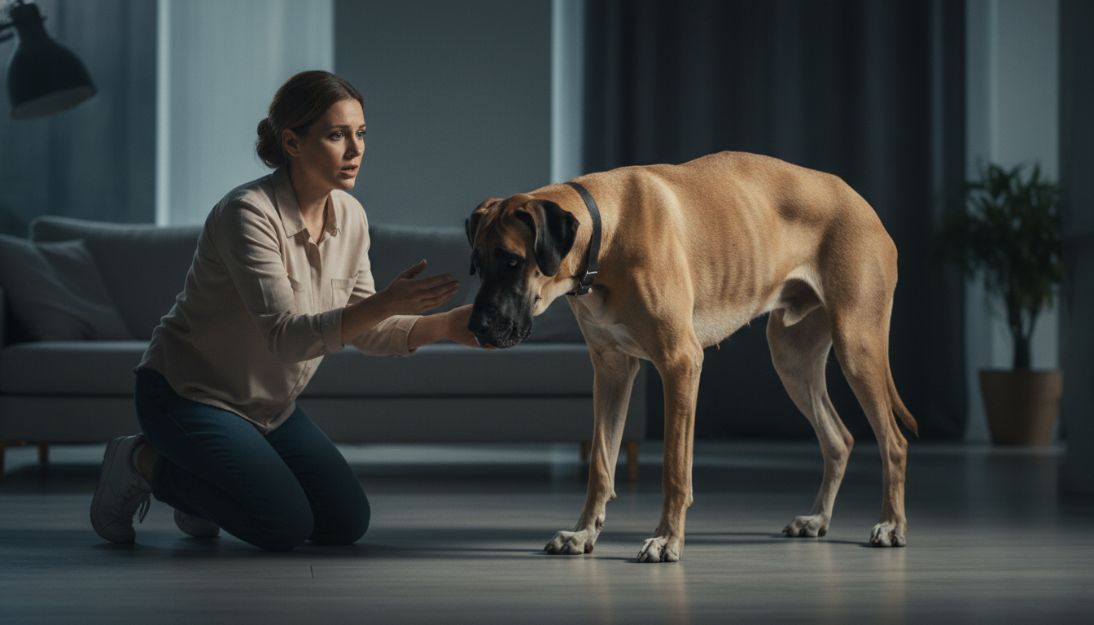
Some injuries aren’t immediately visible. Seek emergency evaluation if your dog shows:
- Pale gums or rapid breathing
- Sudden weakness or collapse
- Distended or painful abdomen
- Persistent pain despite rest
- Bleeding that won’t stop with pressure
- Worsening swelling or bruising
- Lethargy that progresses quickly
- Difficulty standing or walking
These signs often indicate internal damage that cannot heal without surgical care.
Why Early Surgical Intervention Matters
Delaying treatment can result in:
- Ongoing internal hemorrhage leading to shock
- Infection or sepsis
- Organ failure or permanent organ damage
- Long-term mobility issues or permanent disability
- Increased pain and prolonged recovery
- Death
Prompt surgery often reduces complications and improves overall outcomes.
What to Do Immediately After an Injury
- Seek emergency care immediately if the injury is severe or worsening
- Do not give human pain medications
- Keep your dog as still as possible during transport
- Apply gentle pressure to bleeding wounds with clean towels if safe to do so
- Avoid touching exposed bones or organs, cover with a clean, damp cloth
- Call ahead so the emergency team can prepare
Safe Transport Tips:
- Use a carrier or flat board to move large dogs
- Keep your dog warm with blankets
- Minimize movement to prevent shock
- Have someone else drive so you can monitor your pet
- Avoid letting your dog walk if injuries involve the legs or spine
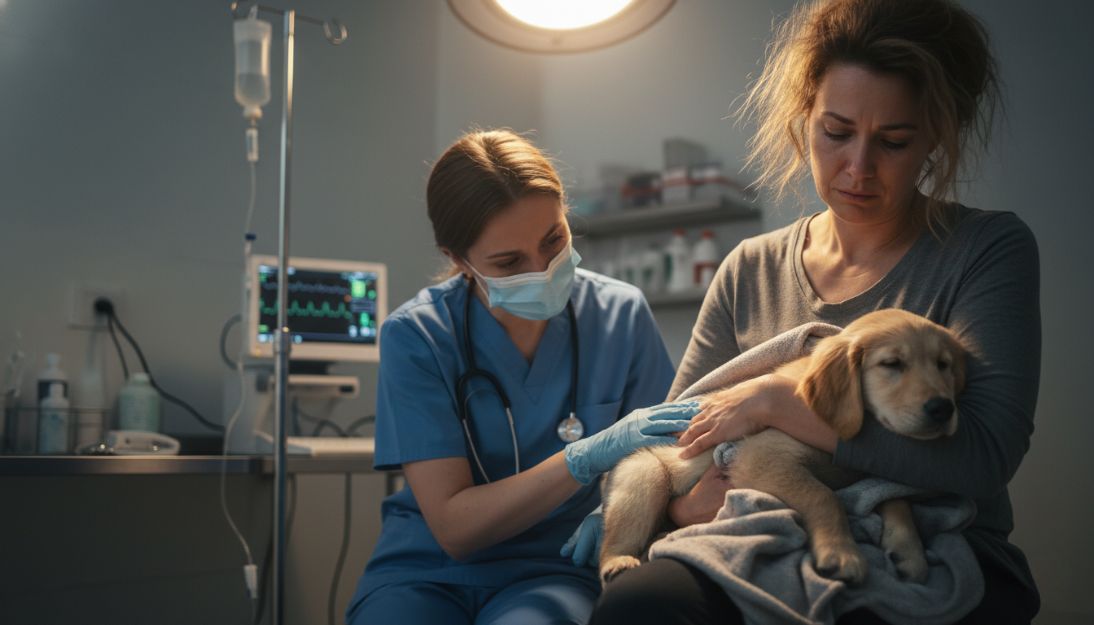
Traumatic injuries are unpredictable, but fast action saves lives. At URvet Care, our emergency and surgical teams are equipped to respond quickly, stabilize injured dogs, and provide advanced surgical care when it matters most.