What Is Emergency Veterinary Care?
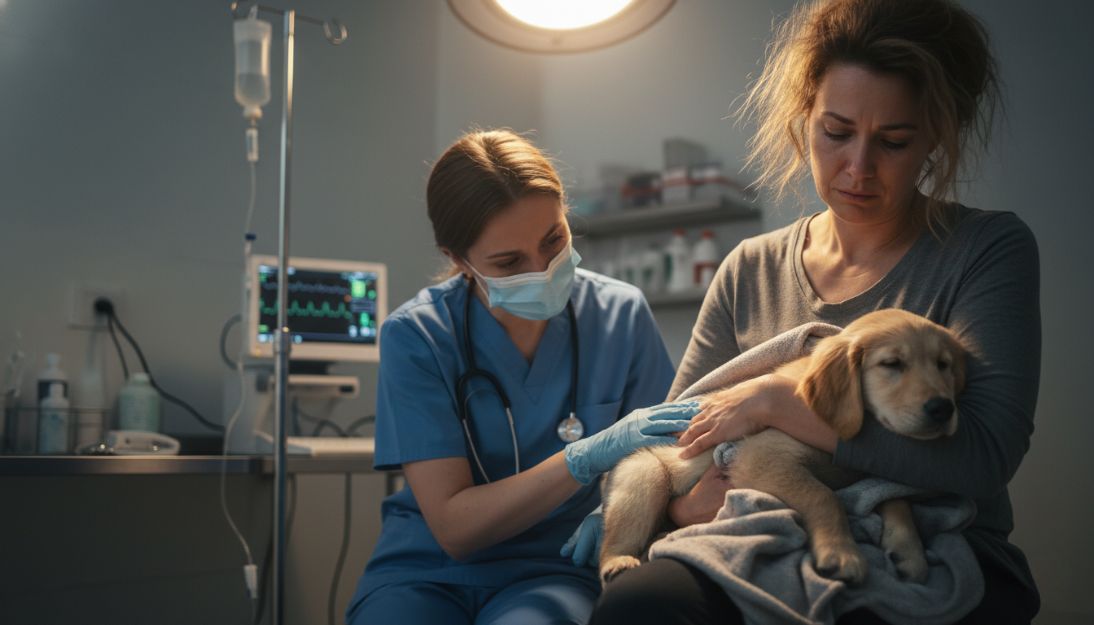
Emergency care is needed for life-threatening or rapidly worsening conditions. These situations require immediate medical attention, often available 24/7.
Go to an Emergency Vet Immediately If Your Dog or Cat Has:
- Difficulty breathing or choking
- Collapse, unconsciousness, or seizures
- Severe bleeding or trauma (hit by car, fall, bite wounds)
- Suspected poisoning or toxin exposure
- Sudden paralysis or inability to walk
- Persistent vomiting or diarrhea with lethargy or blood
- Bloated or painful abdomen
- Pregnancy or labor complications
Rule of thumb: If you’re worried your pet may not survive without immediate care, it’s an emergency.
What Is Urgent Care for Pets?
Urgent care is for non-life-threatening issues that still need prompt attention, usually within 24 hours.
Urgent Care May Be Appropriate For:
- Mild limping or favoring a limb
- Ear infections or eye irritation
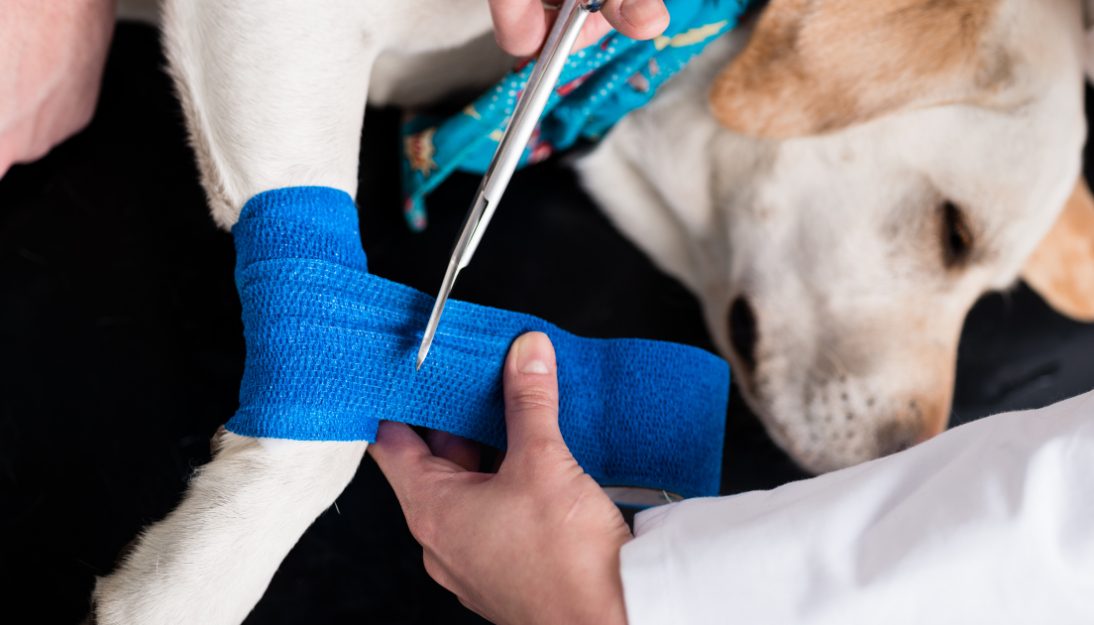
- Minor cuts or wounds
- Vomiting or diarrhea without lethargy
- Urinary issues without complete blockage
- Sudden but stable skin reactions or itching
- Appetite or behavior changes that aren’t severe
Urgent care clinics help prevent conditions from becoming emergencies while offering faster access than routine appointments.
Dogs vs. Cats: Key Differences to Watch For
Emergency Signs in Cats
Cats are experts at hiding pain, making emergencies harder to spot. Watch for:
- Hiding, or sudden aggression
- Not eating for more than 24 hours
- Labored or open-mouth breathing
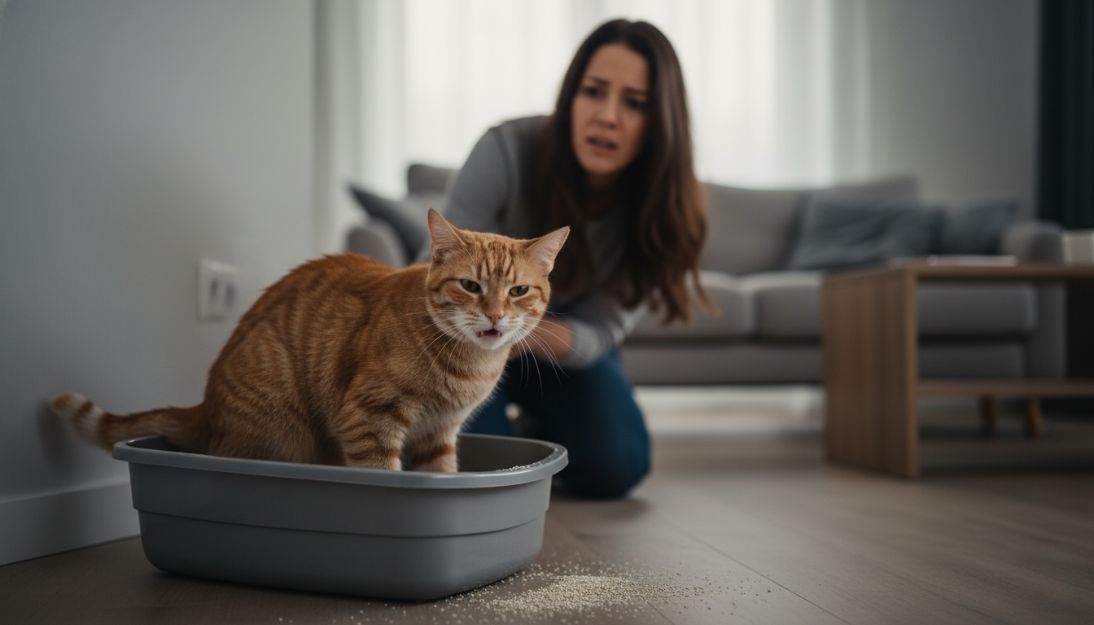
- Straining in the litter box (possible urinary blockage)
Emergency Signs in Dogs
Dogs may show distress more openly through:
- Vocalizing, whining, or pacing
- Visible pain or restlessness
- Sudden swelling or bloating
- Limping or difficulty standing
If your cat seems “off” or your dog’s condition worsens quickly, trust your instincts.
Pet Parent Decision Guide:
Ask yourself: “Would I be comfortable waiting overnight?” If the answer is no, emergency care is the right choice.
- When in doubt, go emergency — it’s always safer to be cautious
- Call ahead if possible — the team can guide you and prepare for arrival
- Factor in NYC realities — traffic, weather, and holiday hours can delay care
- Act quickly for seniors and young pets — puppies, kittens, and older pets decline faster
Why Choose URvet Care
NYC pet parents trust URvet Care for:
- 24/7 emergency veterinary services for dogs and cats
- Experienced emergency veterinarians trained in critical care
- Advanced diagnostics (X-ray, ultrasound, in-house lab)
- Convenient NYC locations accessible from all boroughs