Knowing when swallowed objects can pass on their own and when Interotonomy or Enterotomy surgery for intestinal foreign body removal is necessary can make a critical difference in outcomes.
What Is Foreign Body Ingestion?
Foreign body ingestion occurs when a pet swallows an object that cannot be digested or safely passed through the gastrointestinal tract. These objects can become lodged in the esophagus, stomach, or intestines, blocking normal digestion and blood flow.
Common foreign bodies include socks, underwear, and towels, toys and toy fragments, bones and rawhide, corn cobs and fruit pits, string, yarn, ribbon, and hair ties, and rocks or hard plastic items.
Cats are especially vulnerable to linear foreign bodies like string or thread, which can accordion the intestines. Dogs more commonly ingest larger solid objects like balls, bones, or fabric items.
Why Foreign Bodies Are Dangerous
When an object becomes stuck, it prevents food and fluid from moving normally through the digestive tract. Over time, pressure from the blockage can damage the intestinal wall, leading to inflammation, tissue death (necrosis), perforation, and life-threatening infection (peritonitis).
Interotonomy vs Enterotomy Surgery
Both Interotonomy and Enterotomy are surgical procedures used to remove foreign objects from the digestive tract, but they are performed in different situations.
Interotonomy involves making a surgical incision into the stomach to remove an object that is still located there. This approach is typically used when the foreign body has not yet moved into the intestines. Stomach tissue generally heals well, and recovery may be quicker when intervention happens early.
Enterotomy involves making a surgical incision into the intestine to remove a foreign object that has moved beyond the stomach and caused a blockage. Enterotomy surgery is more time sensitive because intestinal tissue is more delicate and at higher risk of damage, leakage, or infection.
The choice between Interotonomy and Enterotomy depends on:
- The location of the object
- How long the object has been present
- Whether there is intestinal damage or compromised blood flow
Symptoms That Should Never Be Ignored
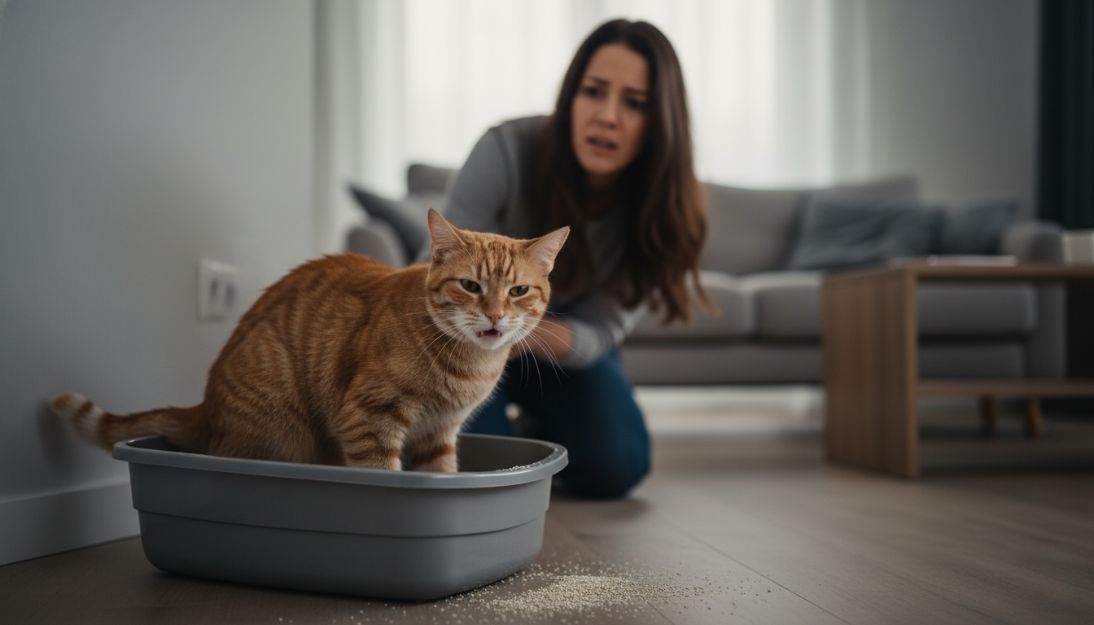
Signs of a gastrointestinal blockage may appear suddenly or worsen over several days.
Watch For:
- Repeated vomiting or dry heaving
- Loss of appetite or refusal to eat
- Lethargy or weakness
- Abdominal pain or bloating
- Diarrhea or straining with little stool
- Drooling or signs of nausea
- Behavioral changes such as hiding or restlessness
How Foreign Body Ingestion Is Diagnosed
Veterinarians use a combination of physical exams and diagnostic imaging to confirm a blockage.
This may include abdominal X-rays to visualize the object or gas patterns suggesting obstruction, ultrasound imaging to assess intestinal movement and wall thickness, and bloodwork to assess hydration, infection risk, and organ function.
In some cases, objects are radiolucent (not visible on X-rays), making ultrasound or exploratory surgery necessary for diagnosis. Early diagnosis often allows for simpler surgery and faster recovery.
What to Expect After Surgery
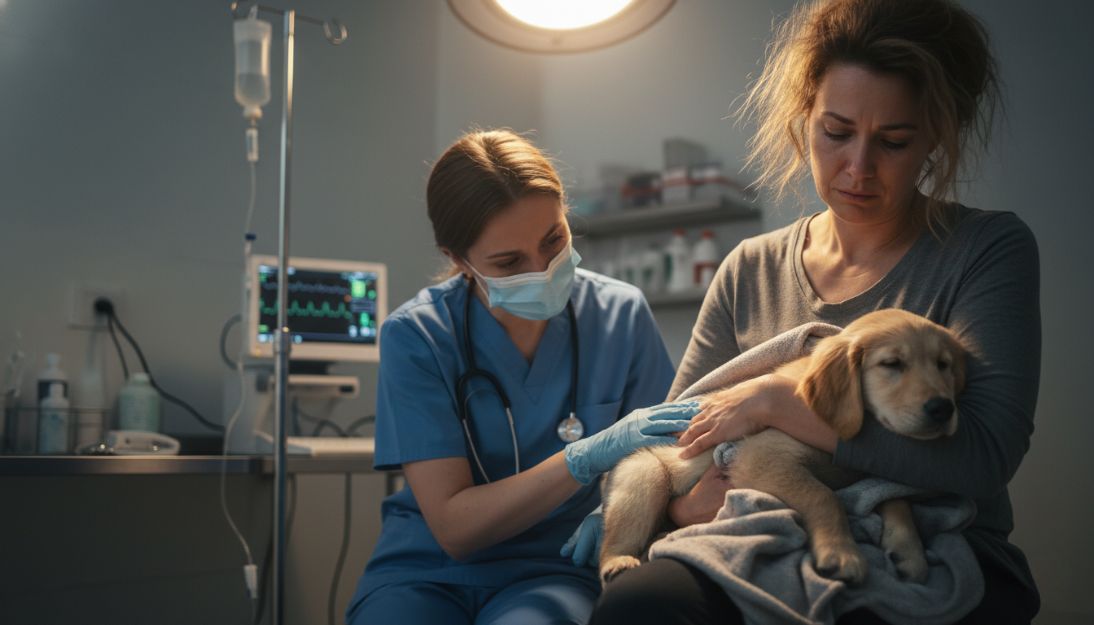
Recovery depends on the severity of the blockage and how early treatment begins. Most pets require hospitalization for 24 to 48 hours or longer for monitoring, pain management and IV fluids, temporary diet restrictions starting with bland foods, activity limitation during healing for 10 to 14 days, and monitoring the incision for signs of infection.
Pets treated early, before intestinal damage occurs, often recover well and return to normal routines within two to three weeks.
Preventing Foreign Body Emergencies
You can reduce risk by:
- Pet proofing areas with laundry and trash
- Supervising toy and chew use
- Avoiding bones, rawhide, and unsafe chews
- Keeping string, ribbon, and hair ties out of reach
- Choosing toys appropriate for your pet’s size and habits
- Teaching “drop it” and “leave it” commands.
In NYC apartments where space is limited, using closed hampers and keeping shoes in closets can prevent many common ingestions.
Why Choose URvet Care for Foreign Body Emergencies
- 24/7 emergency surgical services for gastrointestinal obstructions
- Advanced diagnostic imaging (X-ray, ultrasound)
- Experienced emergency surgeons trained in enterotomy procedures
- Post-operative monitoring and critical care
- Clear communication and cost estimates before surgery
If you suspect your pet swallowed something dangerous, don’t wait to see if it passes. Prompt action saves lives and helps pets heal faster.