When Is a Dog Considered a Senior?
It depends on their size and breed. Small dogs may hit “senior status” at 10, medium dogs around 8, and larger breeds like Great Danes can start slowing down as early as 6.
But health, lifestyle, and genetics all play a role. So instead of watching the calendar, keep an eye on behavior and energy levels.
Food Fixes & What to Avoid
Senior dogs need fewer calories, not fewer nutrients. Look for age-specific dog food with ingredients that support joint, heart, and brain health. Talk to your vet about supplements like to aid their aging. And skip the scraps- too much fat or sodium can do more harm than good for aging pups.
Exercise (Still!) Matters
Movement keeps those joints (and moods) healthy. But your fetch champ might need a gentler routine now. Try slow walks, short play sessions, or swimming. Keep an eye out for signs of overexertion like limping or heavy panting- more isn’t always better.
Regular Vet Visits = Longer, Happier Life
Senior dogs should see their vet at least twice a year. These checkups help catch common aging issues early, from arthritis to kidney disease. We’ll run diagnostics, review any changes, and help you spot what your dog can’t tell you. Book at any of our clinics– because early care is better care.
Watch the Gums (and the Gunk)
Dental disease is common- and sneaky. Daily brushing helps, but if your pup’s breath could clear a room, it may be time for a professional cleaning. Healthy teeth mean a healthier heart, too. Regular dental checkups are necessary for better health of your aging friends.
Keep Things Comfy at Home
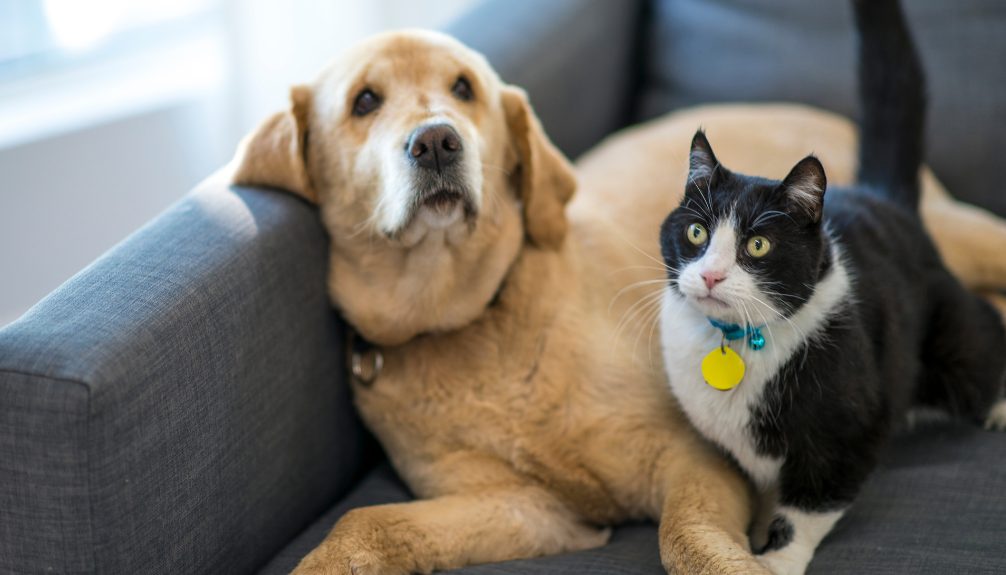
Non-slip rugs, orthopedic beds, easier access to food and water—these little things can make a big difference. Your older pup might not say it, but a warm, quiet corner and a ramp to the couch is the good life.
Keep Their Minds Wagging
Mental exercise is just as important as physical movement- especially as your dog ages.
Just like humans, senior dogs can experience cognitive decline, which can lead to confusion, anxiety, or depression. But with a little enrichment, you can keep those tails wagging and brains buzzing.
Think scent games, gentle training sessions, or puzzle toys that reward curiosity. Even a slow sniff-walk around the block can be a full-on brain workout. And yes- you can teach an old dog new tricks.
The key? Keep it low-pressure and fun. Work with their instincts (sniffing, foraging, napping between games). Because keeping your doggos minds wagging means improving their quality of life.

Saying Goodbye, with Love
When your senior pup reaches the final stretch of their journey, your care means more than ever. Sometimes, end-of-life care includes tough decisions- like exploring palliative options or discussing euthanasia with your vet to prevent suffering. It’s never easy, but you don’t have to do it alone.
Lean on your loved ones. Share stories, photos, and all the little moments that made your dog who they were. And if you need extra support, grief counseling and pet loss groups can make a world of difference.
This part of the journey is hard- but it can also be full of love, peace, and gratitude for every tail wag and paw print left behind.

Worried about your senior dog’s health?
Book a same-day visit at URvet Care. From early signs of chronic disease to changes in behavior, we’re here to help you understand what your dog needs- so you can focus on giving them more good days ahead.