What Is a Gastrostomy Tube?
A gastrostomy tube, often called a G-tube or feeding tube, is placed directly into the stomach through a small surgical opening in the abdominal wall. This provides a safe and reliable way to deliver food, water, and medications without requiring the pet to eat by mouth.
Unlike temporary nasal feeding tubes, gastrostomy tubes are designed for medium to long-term nutritional support, typically weeks to months. They are more comfortable for pets and allow for a wider variety of nutritional formulas.
When Do Pets Need a Feeding Tube?
Feeding tubes are recommended when a pet cannot maintain adequate nutrition on their own but is expected to recover with proper support.
Common Conditions That Require Gastrostomy Tubes:
- Oral and Facial Trauma: Severe jaw fractures or oral injuries that make chewing painful or impossible.
- Esophageal Disorders: Conditions like megaesophagus or esophageal strictures that prevent normal swallowing.
- Chronic Vomiting: When gastrointestinal disease causes persistent vomiting, controlled nutrition allows the digestive system to rest.
- Pancreatitis: Careful dietary management through a tube allows precise control during recovery.
- Cancer Treatment: Chemotherapy and radiation often cause nausea or loss of appetite. Maintaining nutrition improves treatment tolerance.
- Neurological Conditions: Conditions that impair swallowing make oral eating dangerous due to aspiration risk.
- Post-Surgical Recovery: After certain surgeries, eating must be temporarily avoided to allow healing.
- Severe Weight Loss: Prolonged illness leading to dangerous weight loss requires aggressive nutritional intervention.
- Hepatic Lipidosis in Cats: Cats who stop eating for even a few days can develop fatty liver disease. Early feeding tube placement is often critical for survival.
Why Early Nutritional Support Matters
When pets don’t receive enough calories, the body breaks down muscle and essential tissues for energy. This weakens the immune system, delays wound healing, and worsens the underlying disease.
Providing assisted nutrition through a gastrostomy tube helps maintain energy and body weight, support healing, improve tolerance to medications, reduce stress from force-feeding attempts, and prevent secondary complications like hepatic lipidosis in cats.
What Happens During Gastrostomy Tube Placement
Gastrostomy tube placement is performed under general anesthesia. The tube is inserted directly into the stomach through a small incision and secured both internally and externally.
The procedure typically takes 30 to 60 minutes and is minimally invasive. Most pets can begin receiving nutrition within 12 to 24 hours after placement.
Caring for a Pet With a Feeding Tube at Home
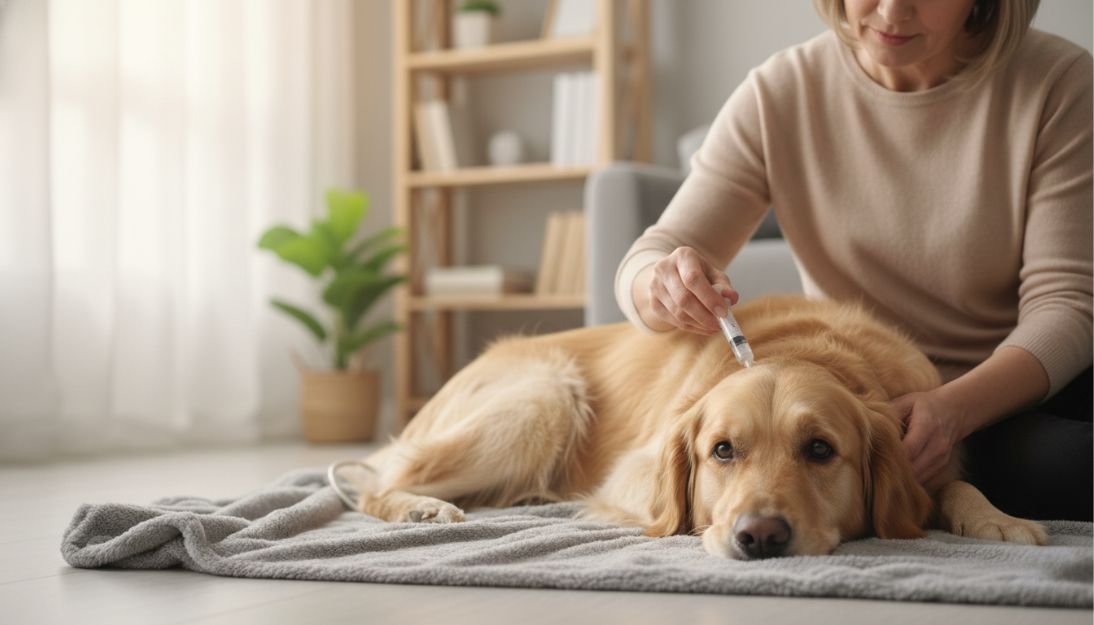
Many pet owners are initially nervous, but with guidance, it becomes a simple daily routine. Care includes administering liquid nutrition through the tube using a syringe, flushing the tube with water after each feeding, cleaning around the tube site daily, and keeping the tube secured with a light bandage.
Pets can still walk, rest comfortably, and interact normally while using a feeding tube. Many pets feel better once they’re receiving proper nutrition again.
Is a Feeding Tube Permanent?
In most cases, gastrostomy tubes are temporary. Once the pet can safely eat enough on their own, the tube is removed, often without anesthesia. The opening typically heals within a few days to a week. The goal is always to support recovery, not replace normal eating long-term.
Why Choose URvet Care for Gastrostomy Tube Placement
URvet Care provides surgical placement by experienced veterinarians, detailed home care training for pet parents, nutritional consultation and feeding plan development, and follow-up monitoring and support.
Concerned about your pet’s inability to eat? Ask URvet Care about nutritional support options including gastrostomy tube placement.