When a pet is seriously unwell and the cause is not clear, time matters. Exploratory laparotomy is a surgical procedure used to identify and treat life-threatening problems inside the abdomen when imaging and tests don’t provide clear answers. For dogs and cats, this surgery can be the difference between recovery and rapid decline.
What Is Exploratory Laparotomy?
Exploratory laparotomy is a surgical procedure in which a veterinarian opens the abdominal cavity to directly examine the internal organs. Unlike routine surgeries, it is often performed urgently when a pet’s condition is worsening and the underlying problem cannot be confirmed through ultrasound, X-rays, or bloodwork alone.
During surgery, the veterinarian can diagnose and treat issues such as intestinal blockages, organ ruptures, internal bleeding, infections, tumors, or twisted organs. Diagnosis and treatment happen simultaneously, saving critical time.
Why Exploratory Surgery Is Sometimes Necessary
Exploratory laparotomy may be recommended when symptoms are severe or worsening despite treatment, imaging results are inconclusive or suspicious but not definitive, there is concern for internal rupture or bleeding, or delaying surgery would put the pet at serious risk.
In emergencies, waiting for clearer signs can be more dangerous than proceeding with surgery. Sometimes the safest diagnostic tool is the surgery itself.
Symptoms That Should Never Be Ignored
The following symptoms often signal a serious internal problem and may require exploratory surgery:
- Persistent vomiting that doesn’t improve with treatment
- Severe or worsening abdominal pain
- Bloated or distended abdomen
- Sudden lethargy or collapse
- Loss of appetite for more than 24 hours in visibly sick pets
- Pale or white gums
- Rapid or labored breathing
- Bloody stool or black tarry stool
- Fever or signs of shock
- Crying, restlessness, or inability to get comfortable
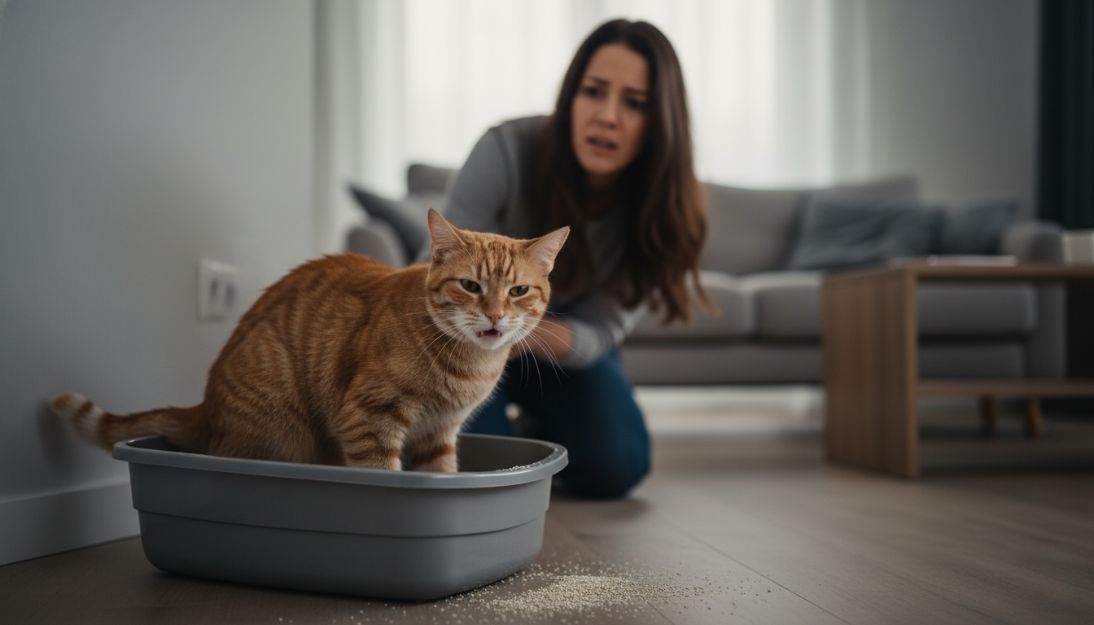
In cats, symptoms may be more subtle and include hiding, refusal to eat, or sudden behavior changes. Never dismiss a cat that stops eating or suddenly becomes withdrawn.
Conditions Commonly Diagnosed During Exploratory Laparotomy
Exploratory surgery is often used to diagnose and treat:
- Intestinal foreign bodies (toys, bones, fabric)
- Intestinal obstruction or volvulus (twisting)
- Gastrointestinal perforation or rupture
- Pyometra (uterine infection)
- Internal bleeding from trauma or ruptured tumors
- Abdominal masses or cancers
- Severe infections or abscesses
- Organ displacement or damage
Many of these conditions worsen rapidly and cannot be managed with medication alone.
What Happens During the Procedure?
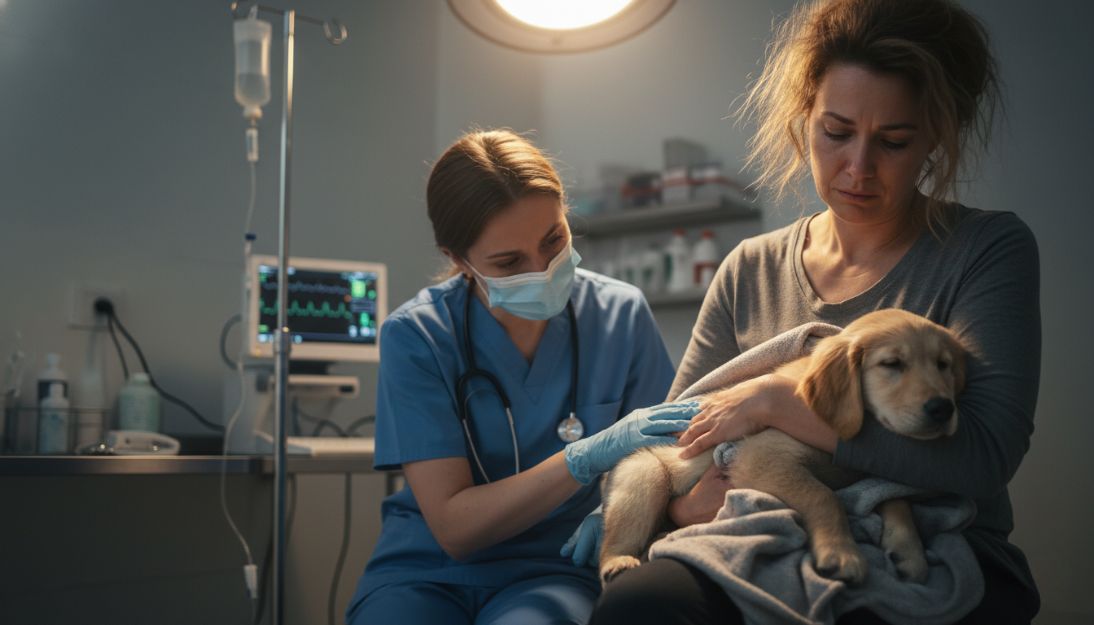
Before surgery, pets are stabilized with IV fluids, pain control, and antibiotics if needed. Bloodwork and imaging help assess surgical risk.
During the procedure, the abdomen is carefully opened, organs are systematically examined, the underlying problem is identified, and treatment is performed immediately. The incision is then closed in layers, and the pet moves to recovery for close monitoring.
Risks and Recovery
Exploratory surgery carries more risk than elective procedures because many patients are already systemically ill. However, the risk of not operating is often far greater.
Recovery depends on the underlying condition found, how early surgery was performed, and the pet’s overall health. Most pets require hospitalization for 24 to 48 hours or longer, pain management and antibiotics, activity restriction during healing, and careful monitoring for complications.
Early intervention usually leads to shorter recovery times and better outcomes.
What Pet Parents Should Know About Costs
Exploratory laparotomy is an emergency surgery that involves anesthesia, surgical time, hospitalization, and critical care. Costs can vary significantly depending on what is found and treated during surgery.
Pet insurance often covers emergency surgeries. Payment plans or financing options like CareCredit may be available. Discussing costs upfront with your veterinary team helps you make informed decisions during a stressful time.
When to Seek Emergency Veterinary Care
If your dog or cat shows sudden abdominal pain, repeated vomiting, collapse, rapid decline, or any combination of the warning signs listed above, this is an emergency. Do not wait to see if symptoms resolve on their own.
Prompt evaluation at an emergency veterinary hospital is critical when exploratory surgery is being considered. In NYC, URvet Care provides 24/7 emergency surgical services for these urgent situations.
Call URvet Care immediately for evaluation and emergency surgery.