Knowing what to expect and what to watch for can make recovery smoother and help prevent setbacks.
The First 24–48 Hours Matter Most
The initial recovery phase is when complications are most likely to occur.
During This Time, It’s Normal to See:
- Sleepiness or grogginess from anesthesia
- Mild swelling or bruising near the surgical site
- Reduced appetite
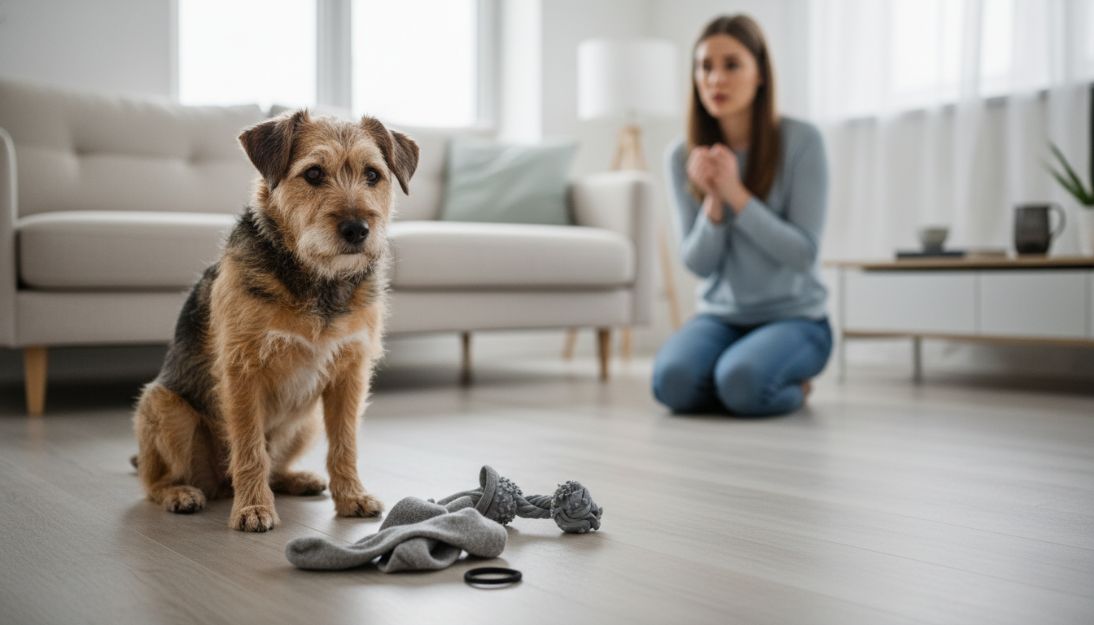
- Slower movement or hesitation
Your pet should still be responsive and able to rest comfortably.
Pain Management and Medications
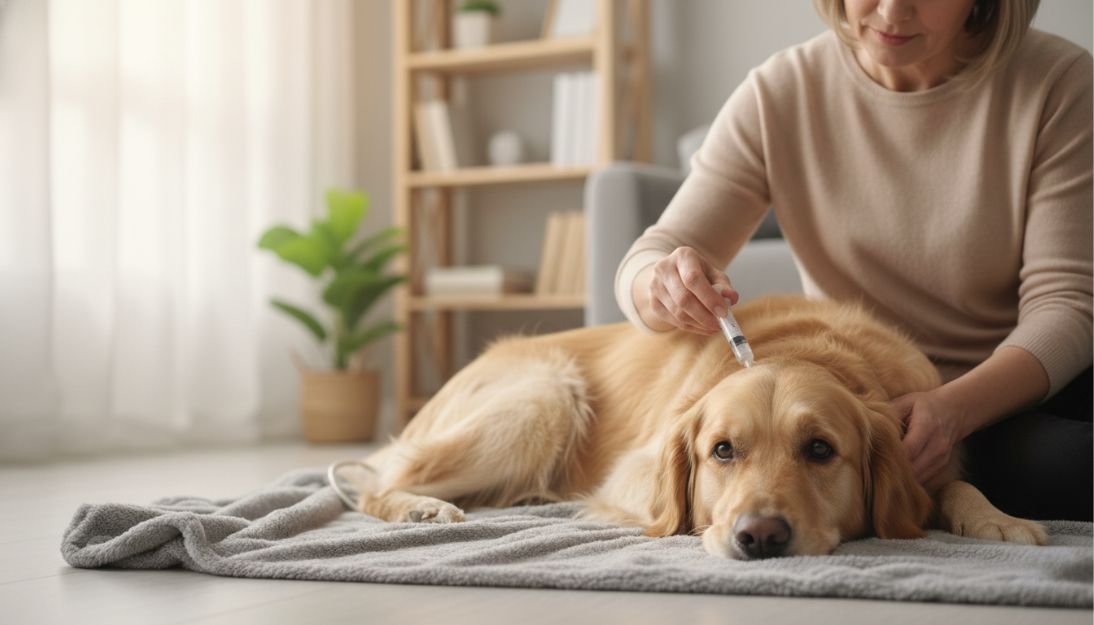
Your veterinarian may send your pet home with:
- Pain relievers
- Anti-inflammatory drugs
- Antibiotics (if infection risk is present)
Follow dosing instructions exactly. Never substitute human medications, and don’t stop prescriptions early unless instructed.
If your pet seems painful despite medication: whining, hiding, shaking, or refusing to move, contact a veterinarian promptly.
Incision Care and Monitoring
Check the incision site at least twice daily.
Watch For:
- Redness that worsens instead of improves
- Discharge, bleeding, or foul odor
- Gaping or opening of the incision
- Excessive licking or chewing
An e-collar or recovery suit may be necessary, even if your pet dislikes it.
Activity Restriction Is Essential
Even pets who feel better quickly need time to heal internally.
Recommended Restrictions:
- Leash walks only (no running or stairs)
- No jumping on furniture
- Confined rest or crate time when unsupervised
- Separation from other pets during early recovery
- No bathing for 10-14 days (or as directed)
Overactivity is one of the most common causes of post-surgical complications.
Feeding and Hydration Tips
- Offer small meals initially
- Resume normal diet gradually unless advised otherwise
- Ensure constant access to fresh water
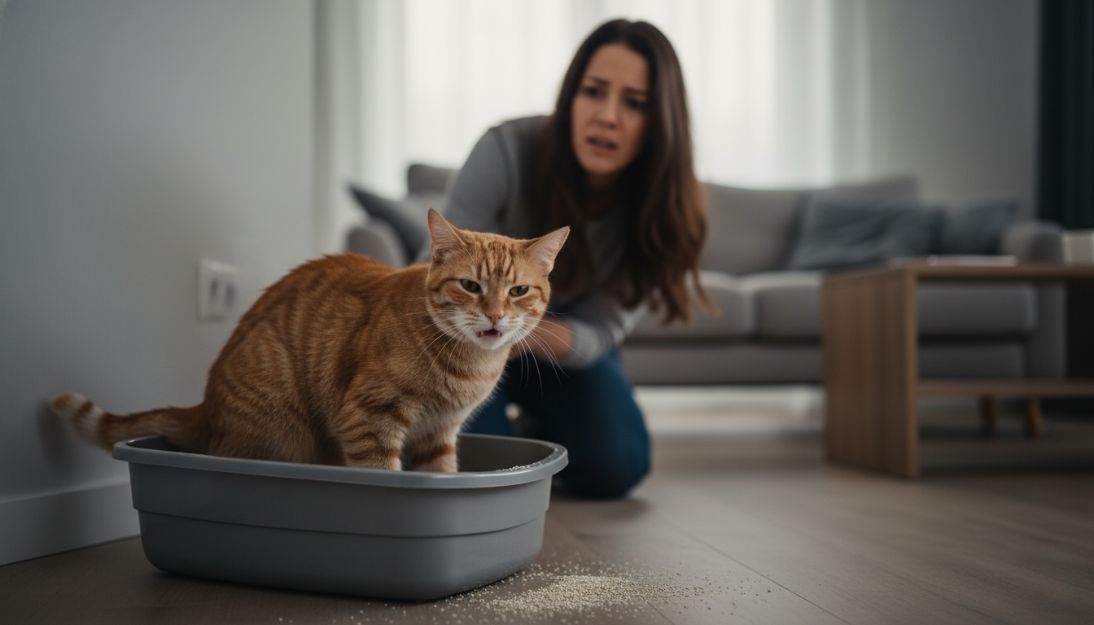
- Monitor for vomiting, diarrhea, or refusal to eat
Contact your vet if appetite doesn’t return within 24–48 hours.
When to Seek Follow-Up or Emergency Care
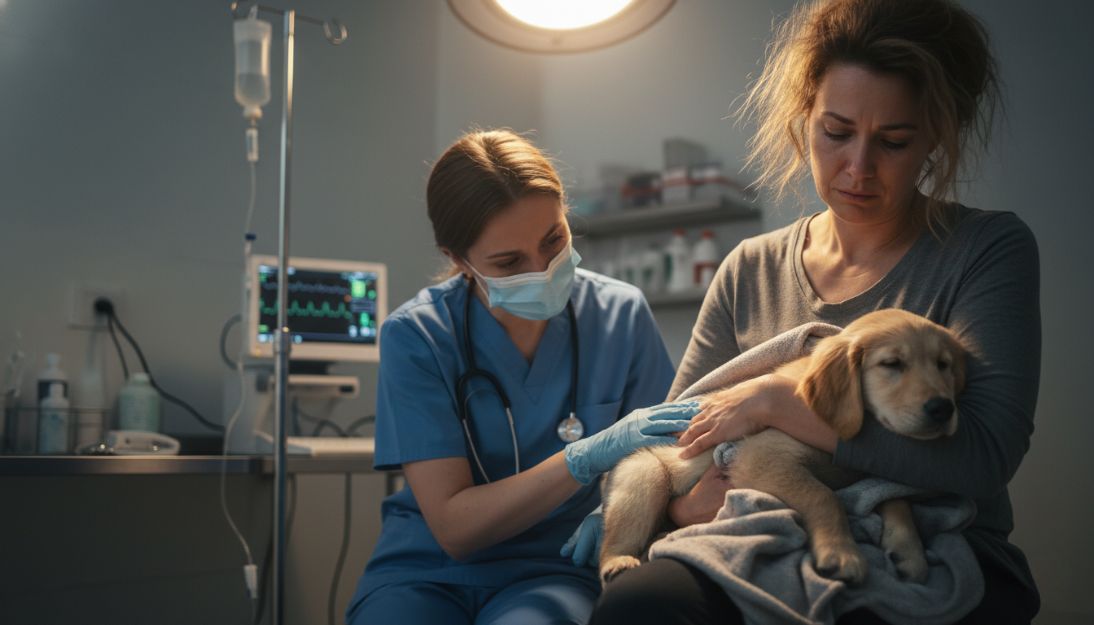
Contact a veterinarian immediately if you notice:
- Labored breathing or collapse
- Persistent vomiting or diarrhea
- Fever, extreme lethargy, or disorientation
- Sudden swelling or bleeding from the incision
- Pain that worsens instead of improves
Trust your instincts—if something feels wrong, it’s worth a call.
Why Choose URvet Care for Post-Surgical Support
- Clear discharge instructions with written care plans
- 24/7 availability for post-operative concerns
- Coordination with your primary vet for seamless care
- Experienced surgical team providing comprehensive aftercare
Questions about your pet’s post-surgical care? URvet Care is available 24/7 to support your pet’s recovery.