GDV is not simple gas or overeating. It is a condition that requires emergency surgery to save your dog’s life.
What Is GDV?
GDV occurs when the stomach fills with gas or food and then twists on itself. This twist blocks normal circulation and traps contents inside the stomach, creating a closed system where pressure builds rapidly.
As pressure builds, blood flow to the stomach and other organs is reduced or completely cut off, the stomach wall begins to die from lack of oxygen, toxins accumulate in the bloodstream, and shock develops rapidly. The spleen, which is attached to the stomach, often twists along with it, further compromising blood flow.
The heart is compressed by the distended stomach, reducing cardiac output and blood pressure. This combination of factors explains why GDV can be fatal so quickly without surgical intervention.
Dogs Most at Risk
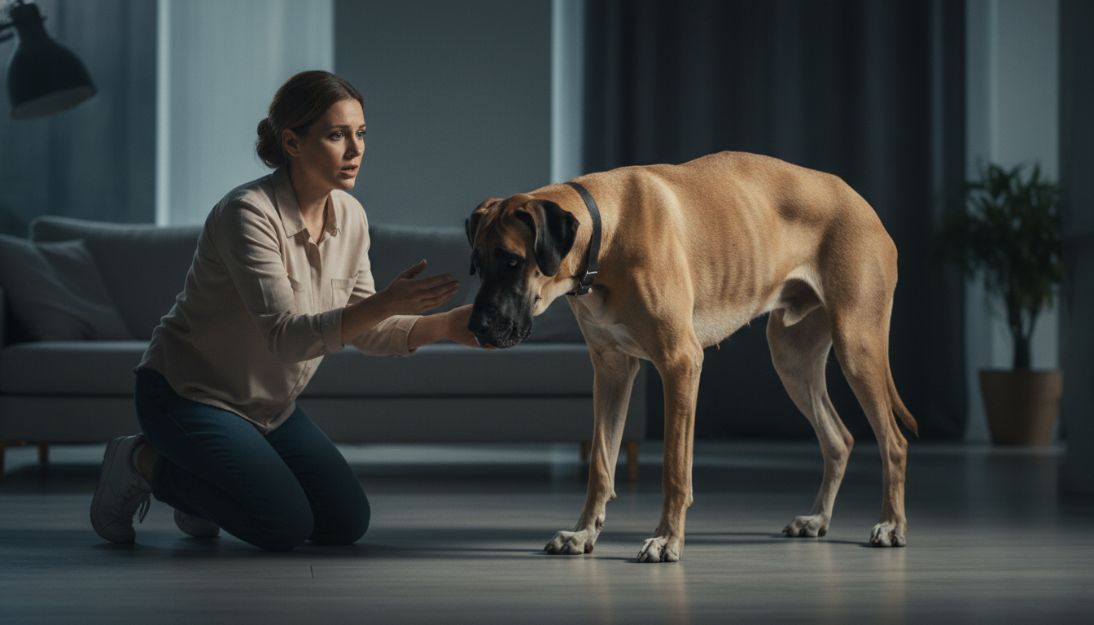
GDV is more common in large and giant deep-chested breeds such as:
- Great Danes
- German Shepherds
- Standard Poodles, Weimaraners
- Dobermans
- Boxers
- Saint Bernards
- Irish Setters
- Rottweilers
However, any dog can develop GDV. Risk factors beyond breed include:
- Eating one large meal per day instead of smaller portions
- Eating too quickly or gulping food
- Drinking large amounts of water rapidly
- Exercising vigorously before or after eating
- Stress or anxiety
- Older dogs and male dogs are also at slightly higher risk.
Symptoms You Should Never Ignore
Signs of GDV come on quickly and worsen fast. Seek emergency care immediately if you notice:
- Repeated attempts to vomit or retch with nothing coming up (unproductive retching)
- A swollen, tight, or distended abdomen
- Restlessness, pacing, or inability to get comfortable
- Excessive drooling
- Rapid or labored breathing
- Pale gums
- Weakness, collapse, or inability to stand
These symptoms require immediate veterinary attention. Do not wait to see if they improve. Every minute counts with GDV.
Preventive Gastropexy for High-Risk Dogs
For dogs at high risk of GDV, preventive gastropexy can be performed as an elective procedure, often at the time of spaying or neutering. This surgery permanently attaches the stomach to the body wall, preventing it from twisting in the future.
Preventive gastropexy is particularly recommended for Great Danes and other giant breeds with a high lifetime risk of GDV. Talk to your veterinarian about whether preventive gastropexy is right for your dog.
Prevention Tips for GDV
While gastropexy is the only guaranteed prevention, you can reduce risk by feeding two or three smaller meals per day instead of one large meal, using slow-feeder bowls or puzzle feeders to prevent gulping, avoiding vigorous exercise for at least one hour before and two hours after meals, reducing stress and anxiety, especially around mealtimes, and avoiding elevated food bowls, which some studies suggest may increase risk.
These strategies cannot eliminate risk entirely, but they may help reduce it in susceptible dogs.
When to Seek Emergency Care
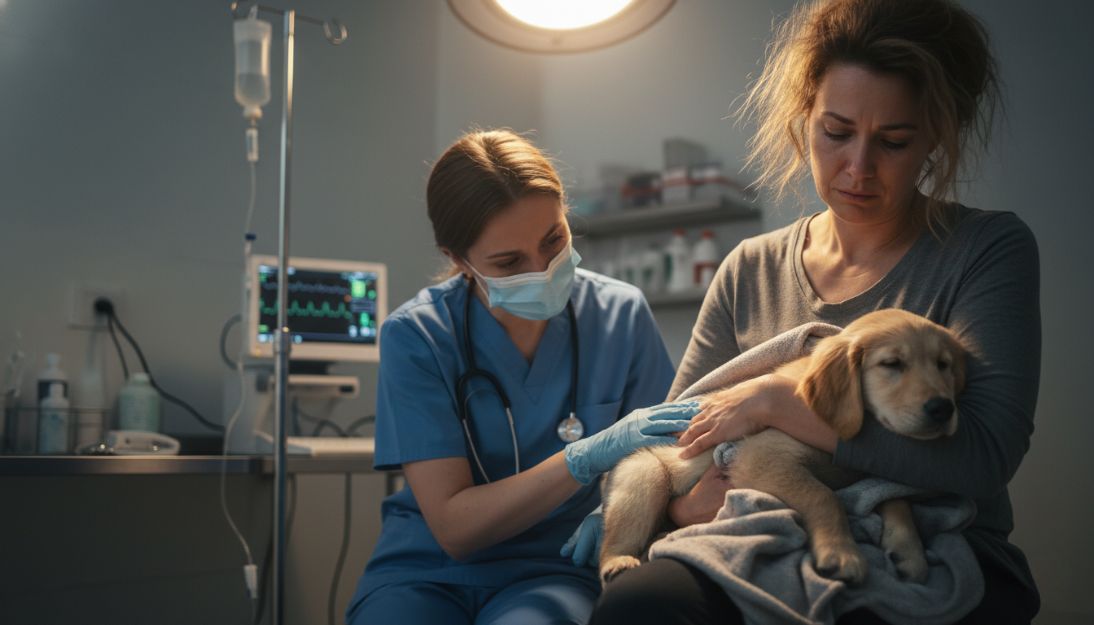
GDV is one of the few conditions where waiting can be fatal. If your dog shows signs of bloat or unproductive vomiting, go to an emergency veterinarian immediately. Call ahead so the team can prepare for your arrival.
In NYC, URvet Care provides rapid diagnosis and emergency GDV surgery with gastropexy to stabilize pets when every minute counts.
Your dog showing signs of bloat? Call URvet Care immediately. Do not wait.