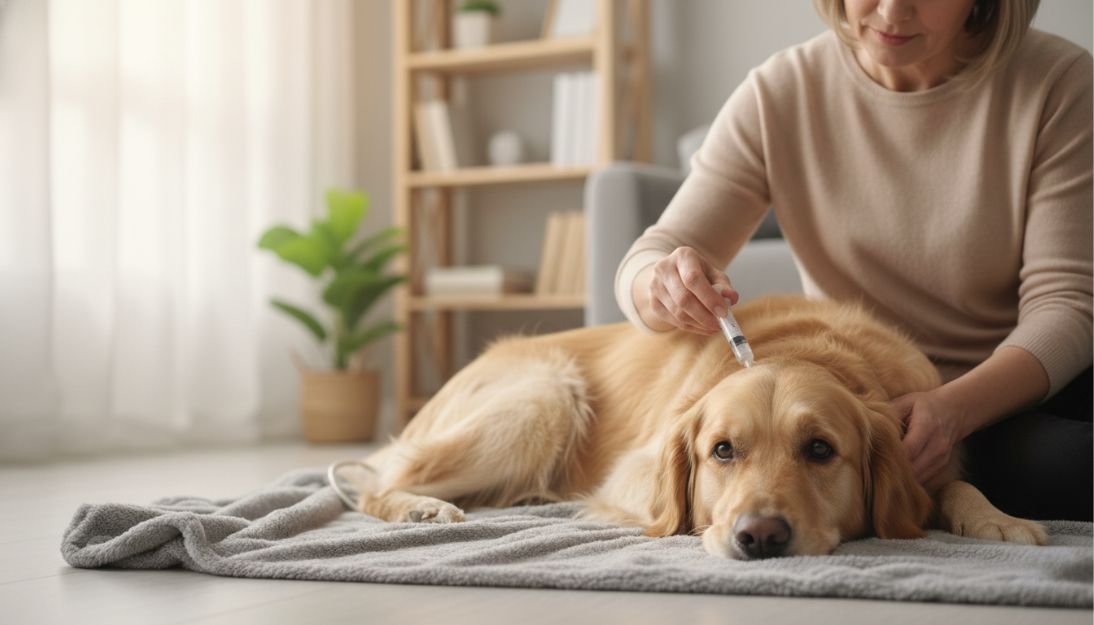
That constant scratching, nibbling, or paw licking? It might not be fleas. Many NYC pets suffer from allergies—triggered by everything from street dust to food additives.
In urban environments, allergies tend to be year-round. Unlike seasonal rural allergies, city pets are exposed to a cocktail of triggers daily, especially in apartments with limited airflow and walks in pollution-heavy streets.
Common Allergens in NYC
- Tree pollen: Especially birch, oak, and plane trees common in city parks
- Dust mites: Thrive in older buildings and poorly ventilated spaces
- Mold: Grows in damp areas like basements or bathrooms
- Construction dust: Frequent in urban renovations
- Certain proteins in food: Chicken, beef, or dairy are common culprits
Allergy Symptoms in Pets
- Red, itchy skin or ears
- Excessive licking or chewing of paws
- Recurring ear infections
- Sneezing or runny nose
- Hair loss or hot spots
Allergies can be misdiagnosed as skin infections or behavioral issues. Accurate diagnosis is key.
Diagnosing Allergies
- Physical Exam: To rule out other skin or ear conditions
- Skin or blood testing: To pinpoint environmental triggers
- Elimination diet trials: To test for food allergies
Treatment Options
- Topical relief: Medicated shampoos, sprays, and wipes
- Medications: Antihistamines, steroids, or newer allergy meds like Apoquel or Cytopoint
- Long-term care: Allergen-specific immunotherapy can reduce sensitivity over time
At-Home Support
- Clean paws and belly with a damp cloth after walks
- Vacuum regularly and use air purifiers
- Bathe pets with hypoallergenic shampoo once or twice a month
- Feed a high-quality, limited-ingredient diet if food allergy is suspected
Pro Tip: Keep a symptom tracker noting flare-ups by day, weather, and food—your vet can use this to spot patterns.
URvet Care offers full allergy testing and personalized treatment plans so your pet can get back to living their best, itch-free NYC life.