
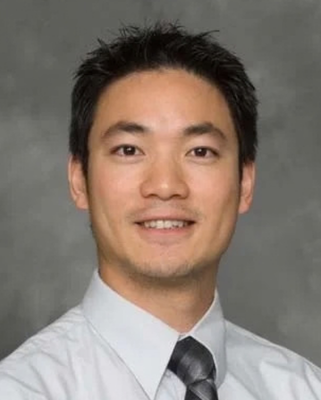

BOARD CERTIFIED
Dr. Dennis Ting is originally from Southern California where he attended the University of California, San Diego for his undergraduate work in the field of Animal Physiology and Neuroscience. He then earned his Doctor of Veterinary Medicine degree from the University of California, Davis in 2003. In the following year, Dr. Ting returned to Southern California to complete a one-year internship in small animal medicine and surgery. With a growing interest in small animal surgery, he completed a surgery specific internship in Denver followed by an orthopaedic research fellowship at Michigan State University. Dr. Ting then stayed on with Michigan State University and completed his residency training in small animal surgery.
Dr. Ting is board certified by the American College of Veterinary Surgeons. He has particular interests in orthopaedics, traumatology, and oncologic surgery. He is trained in minimally invasive surgeries such as fluoroscopic-assisted fracture repair. Dr. Ting has published a number of original orthopaedic articles in various veterinary journals and has presented numerous lectures on international, national and local levels. He remains active in veterinary continuing education and is a leading instructor in veterinary orthopaedic courses.
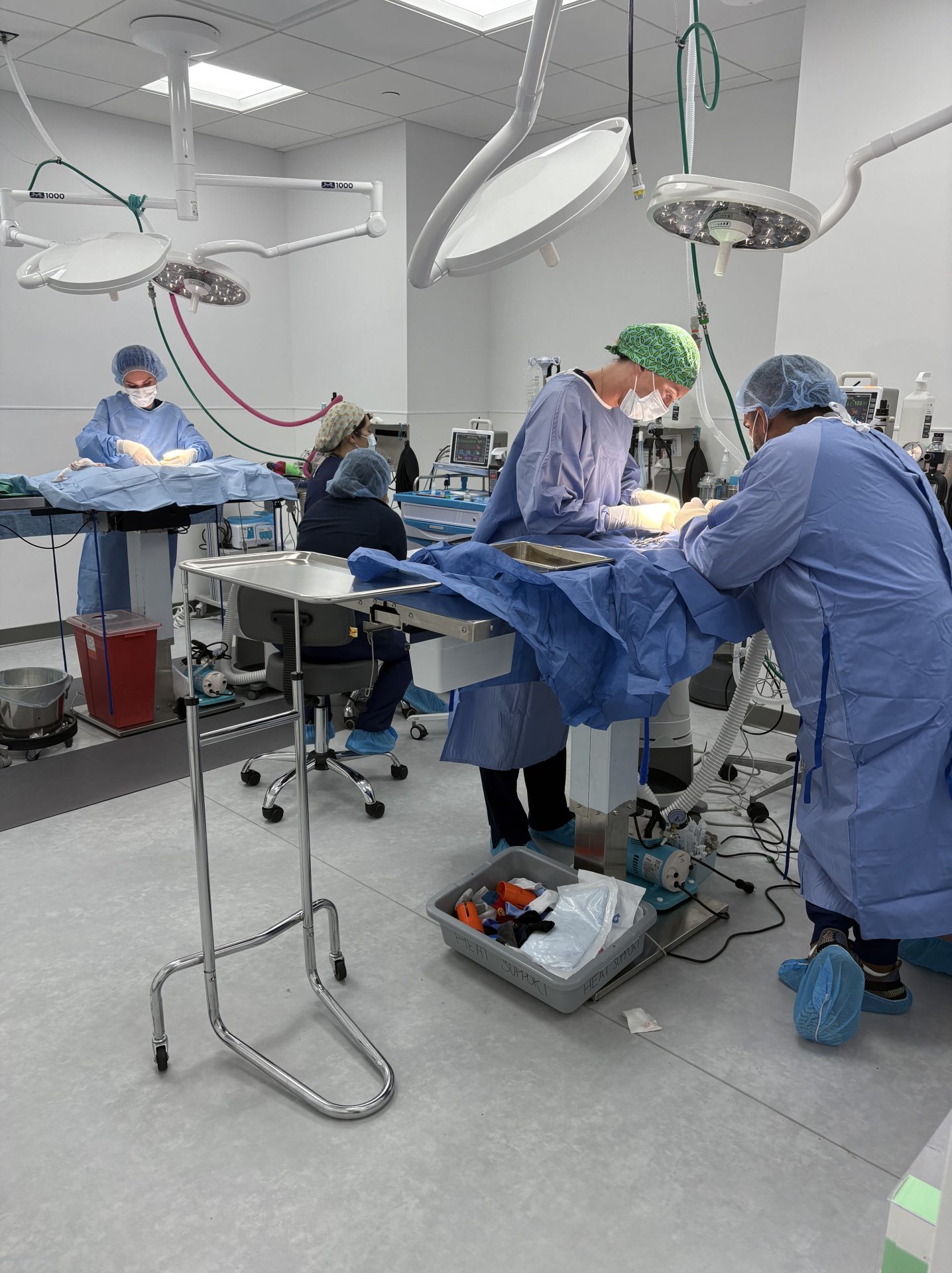
Orthopedic surgery may be recommended for dogs or cats showing signs of joint injury, instability, or chronic pain.
Your pet may need an orthopedic evaluation if you notice:
• Limping or favoring one leg
• Difficulty standing, jumping, or climbing stairs
• Sudden knee instability or a “skipping” gait
• Persistent pain not improving with rest or medication
• A diagnosed ACL / CCL tear or patellar luxation
Early surgical intervention can reduce long-term pain, slow the progression of arthritis, and help preserve muscle strength and mobility.
If you’re unsure whether surgery is necessary, our orthopedic team can review your pet’s case and recommend the most appropriate treatment options.
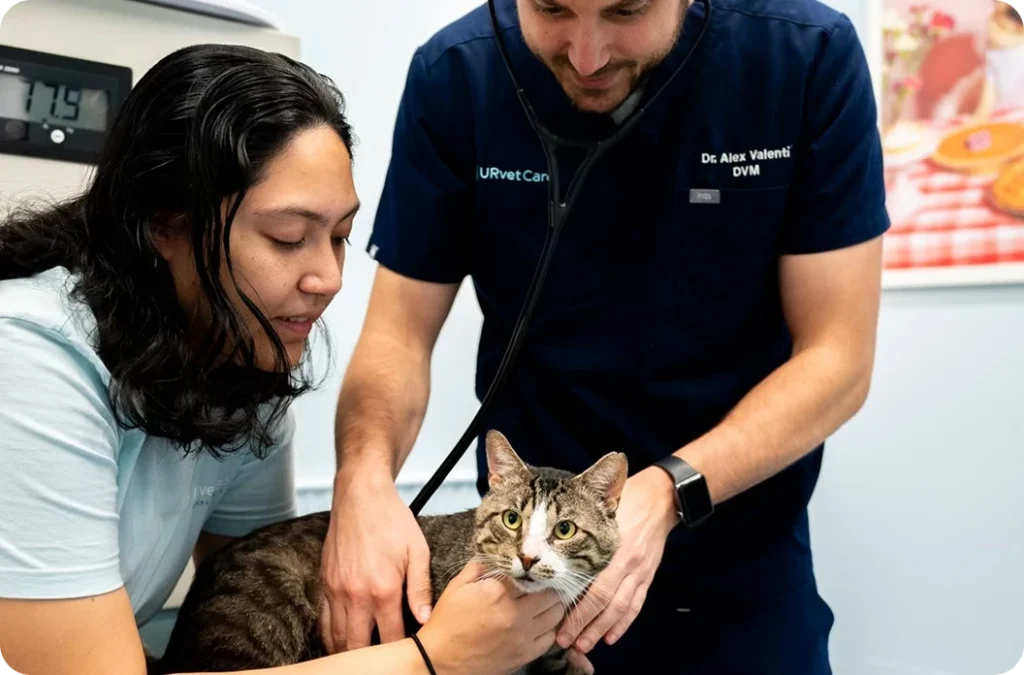
Cats often hide signs of pain until orthopedic injuries become more advanced. Our team evaluates and treats a range of feline orthopedic conditions, including:
• Cruciate ligament injuries
• Patellar luxation
• Traumatic joint injuries
Early orthopedic evaluation can significantly improve comfort, mobility, and long-term joint function.
A torn cranial cruciate ligament (CCL)—similar to an ACL injury in humans—is one of the most common causes of hind-leg lameness in dogs. Surgical treatment helps restore joint stability and reduce abnormal forces on the knee. At URvet Care, we offer multiple orthopedic surgical options tailored to your dog’s size, activity level, and joint anatomy.
TPLO (Tibial Plateau Leveling Osteotomy)
CBLO (Center of Rotation of Angulation-Based Leveling Osteotomy)
It is a variation of TPLO that rotates the tibial plateau around a central axis for
precise alignment.
TTA (Tibial Tuberosity Advancement)
It stabilizes the knee by advancing the tibial tuberosity to neutralize
destabilizing forces.
Lateral Suture (Extracapsular Repair)
It is a non-osteotomy technique using suture material to mimic ligament function.
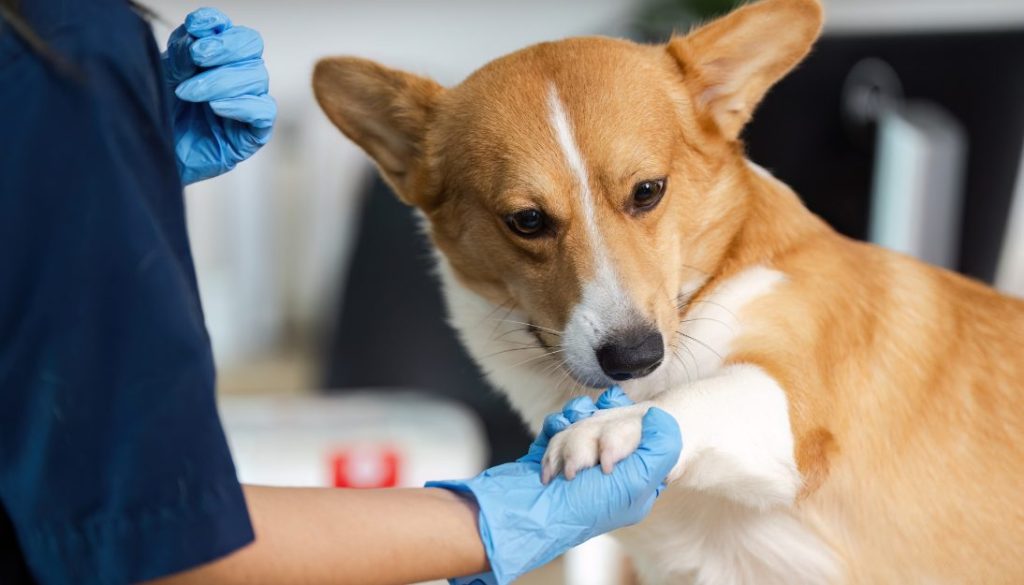
Patellar luxation occurs when the kneecap moves out of its normal groove, leading to pain, limping, and progressive arthritis if left untreated. Surgical correction is performed to stabilize the kneecap and restore normal joint movement.
Depending on the severity of luxation and your pet’s anatomy, surgery may involve trochlear groove deepening, tibial tuberosity transposition, and soft tissue balancing. Each surgical plan is customized based on luxation grade, limb alignment, and patient size.
Fill the form to receive a callback. Speak with our orthopedic care team today We’ll help you understand your options and next steps.
We provide comprehensive care for your pets, with our Midtown and Astoria pet hospitals providing emergency services 24/7.